
‘Network congestion’ – What can you do about it?
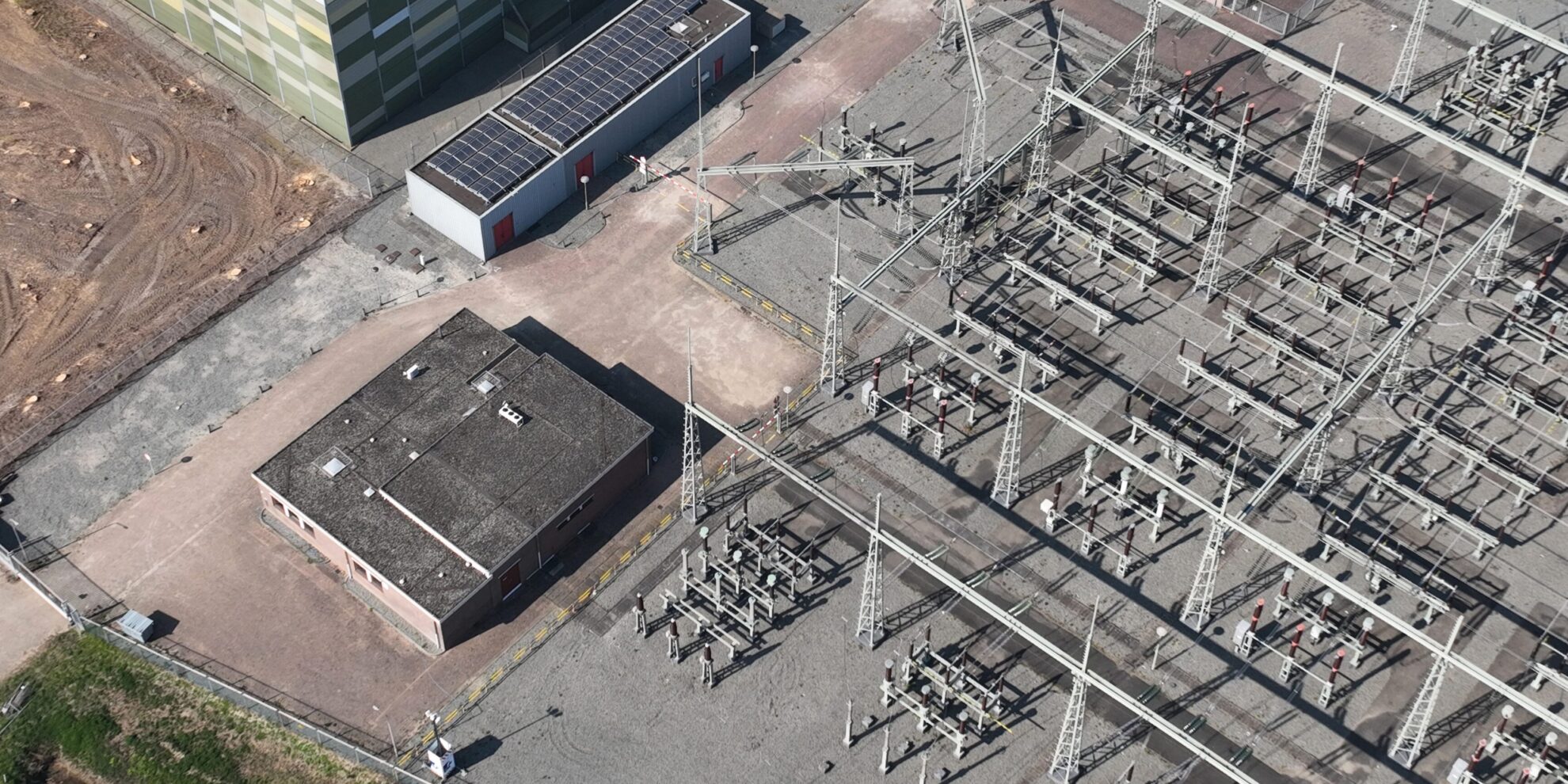
Grid congestion does not mean we cannot generate enough electricity. It does mean that we not getting the generated power properly distributed to the many users. Network congestion thus occurs wanneer we all at once too much want to take electricity from the grid or when there are too much electricity is generated for the grid at the same time (for example, when there is a lot of wind).

In early April 2025, Rutger van der Leeuw, CEO of grid operator Enexis, said: “Currently, we have about 9,000 wholesale customers on hold.” This is obviously not good for the prosperity of our economy, to name just one consequence. Grid congestion hits so our business plans. We can no more carefree growth and need to invest more in our business infrastructure.
In addition, Rise the network costs slowly continuing due to an insufficient supply of power that cannot meet demand. Unfortunately, not only for businesses, but also for you at home as an individual consumer of energy. So the greater the shortage of power, the heavier the weighs on our wallets.
Finally, perhaps the most serious long-term consequence: Grid congestion slows down our collective effort towards sustainability.
Step 1 is your current connection capacity check. That is not the same as the contracted capital. Indeed, your power as stated in your contract with the grid operator is often lower than your actual connection capacity. So that is one of the consequences of grid congestion. Possibly your feed-in power of energy to the grid also too low contracted, which is another consequence of the full power grid.
As a next step, you can go in different directions with your business in (future) power shortages:
1. Your asks best as soon as possible a new connection to your grid operator for more capacity.
You will then arrive at a waiting list and can expect your connection in a few months to a year. On your grid operator's website, you can conveniently find out for your city or municipality how much space is left on the grid and what the expected waiting time for an additional or new connection is.
2. Next, you should take a look at whether there are administrative adjustments possible that give your business more capacity.
In specific cases, for example, you can temporarily use a (more expensive) contract conclude with your grid operator without fixed transport capacity. In addition, you can also view Whether it is advantageous to internally power at move between the various connections of your company. This is allowed as long as the connections have the same owner and are on the same medium-voltage ring. A final administrative adjustment you can explore is the aggregation of all your connections and their contracted capacities. For example, you can have 3 physical connections merged into 1 administrative connection. The grid operator must allow this and this way you can also increase your maximum reduce peak consumption.
3. To create a shorter-term solution without needing the help of your grid operator, you can invest in I own green electricity infrastructure.
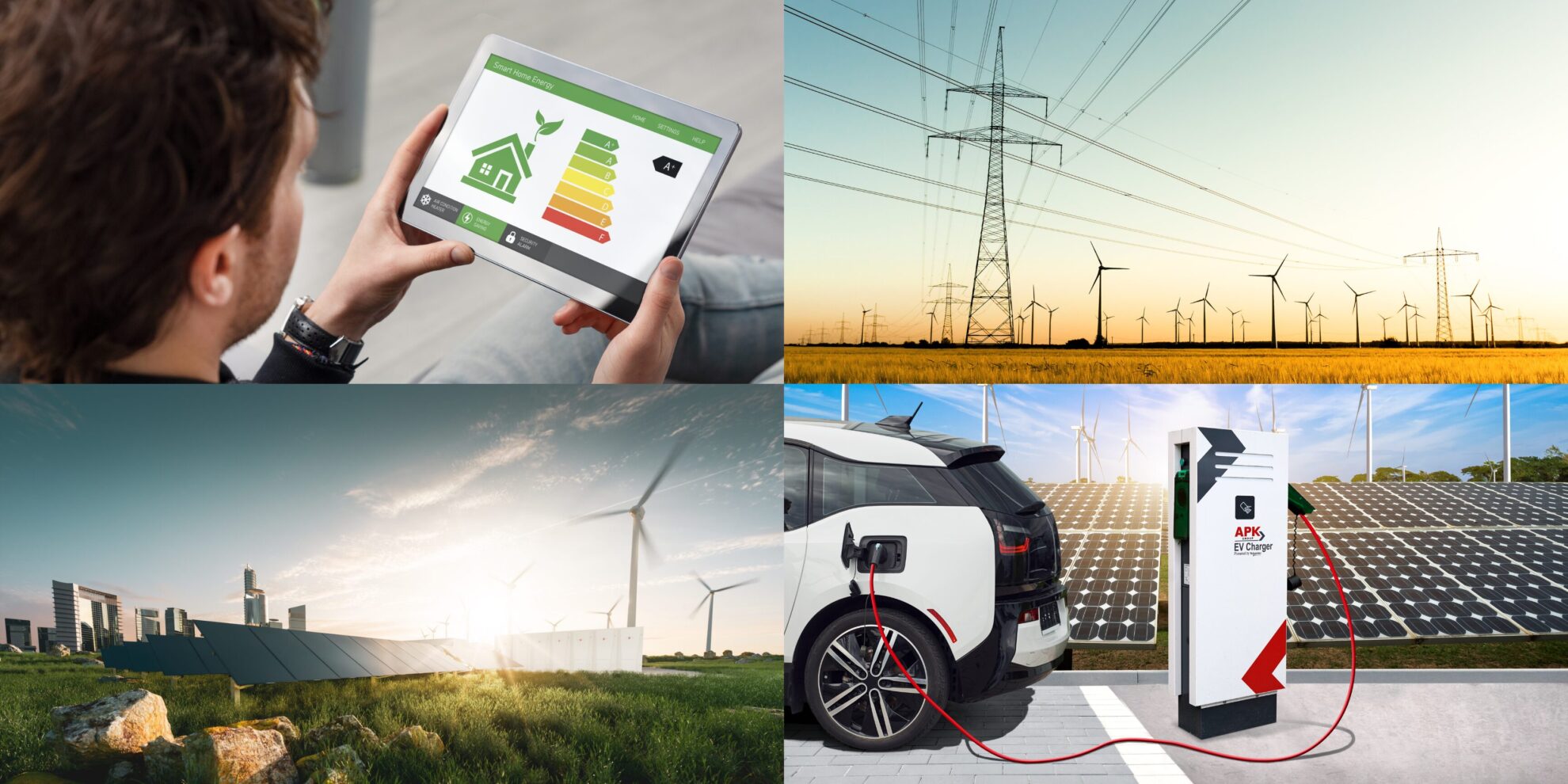
You actually take matters into your own hands and hire your own contractor to upgrade your energy facilities. In addition to traditional solar, battery and charging infrastructure, don't forget to invest in smart consumption applications. By smart charging, for example, you gain capacity. So be sure to install a smart meter with software that allows you to work on ‘dynamic energy management' to do. Divide so your power efficient about all your charging infrastructure and batteries.
Over battery storage Speaking, definitely consider the investment so you jhe own generated power is better used. Systems without a battery use about 40% of power. With a balanced battery system, 70-85% is no longer inconceivable. A battery can also be used to peaks in the energy demand on at catch at e.g. less sunny hours or during a daytime load peak that does not exceed your contracted transmission capacity.
Finally, don't forget your ‘PV system‘ whether your solar farm is good off at put on your batteries and on your feed-in power. Is that feed-in power too low for now? To reduce the loss of solar energy, grid operator Enexis is testing its ‘SunBalance’ contract. This allows companies to still feed back up to 70% of their unused solar energy while going through the waiting period for an extended connection.
4. A long-term solution worth exploring is the forms of an ‘Energy Hub’.
A what? An energy hub is a kind of group transport agreement (Enexis) or ‘Time-bound contract’ (Tennet) for energy you take out together with your neighbours. So you can get a cheaper tariff together and a more flexible divide energy between them. So it is actually a form of asset balancing among companies.
You can cooperate with companies that are on the same medium-voltage ring and have the same type of cables. You can always request this information from your grid operator. This arrangement relies on the legal construction whereby you, together with the other companies with whom you start an energy hub, set up an ‘operating company’ or ‘operating company’. After you have made mutual agreements (e.g. “What happens if one of the companies moves?”), you still have to get the agreement of your grid operator.
5. Do not forget that also simple practical arrangements are still possible.
For example, you can ask your neighbouring company with charging infrastructure if they often have power surplus at certain times or parts of the day that your company can then use and vice versa.
6. To slot, underestimate the power of energy savings on an individual basis not.
By making small adjustments and ‘turning the knob’ our global demand for energy can drop sharply, thus also partly solving congestion! As a company, you can help make your employees aware of this.
Why are the shortages of modern streaminfrastructure not addressed in time and we have not been able to avoid grid congestion? Many of you are probably wondering that. Our network operators have the problem namely proactive spotted and such fifteen years ago already raised. They served budgets to our government with the message “we need to invest". However, policymakers have put off these proposals for a long time. This is due, among other reasons, to the uncertainty at the time about the future and the success of green electricity and de electrification, which we have more clarity on today. Fortunately, the investment plans to sustainably solve our grid congestion today at full speed.